
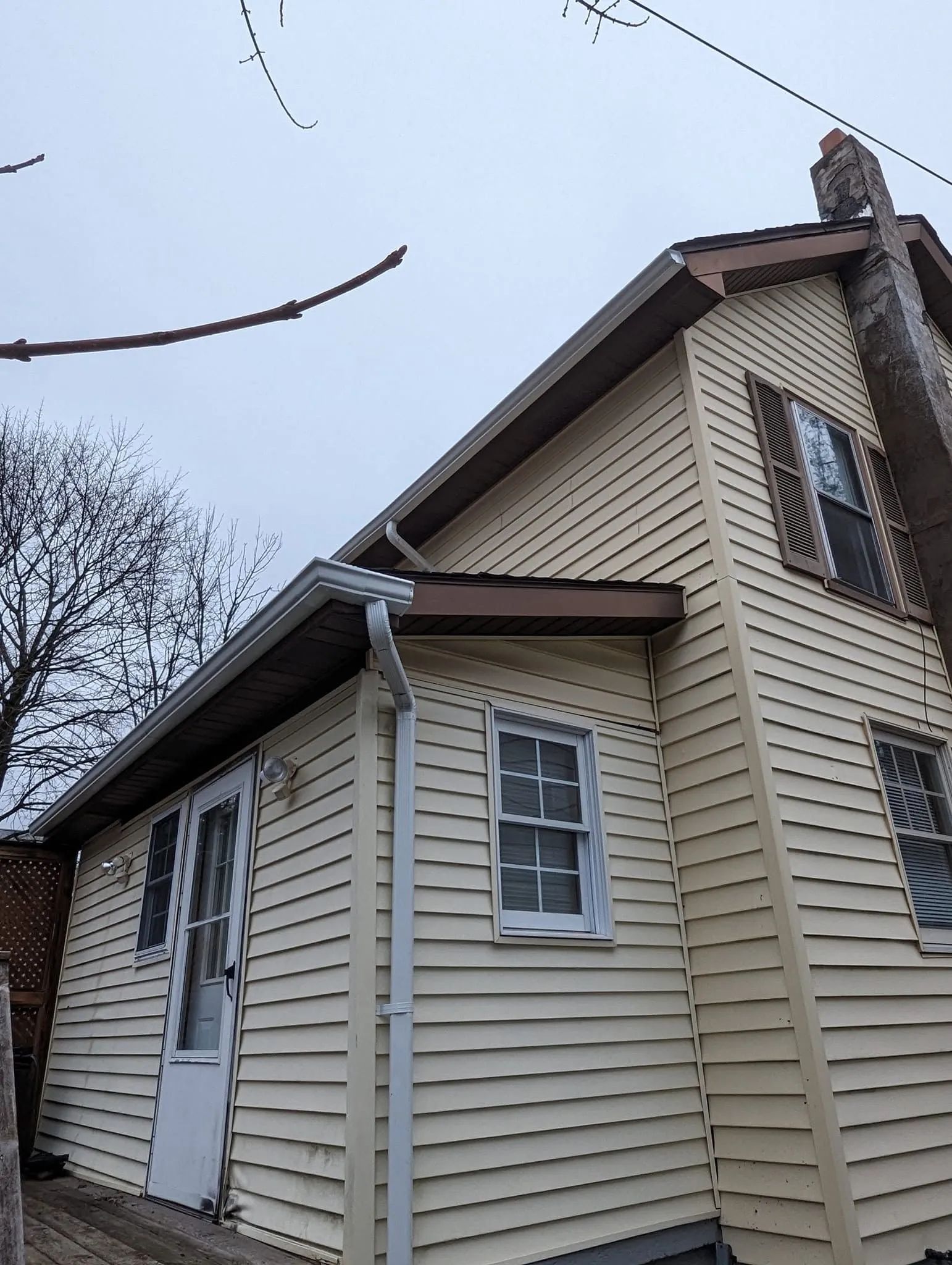
Gutters Pulling Away From the House? What's Causing It and How to Stop It

August 30, 2026

Quick Answer: Your gutters are pulling away because the hangers holding them to the fascia have loosened, corroded, or were never spaced tightly enough to begin with. Pile on trapped leaves, standing water, or winter ice, and those weak points give out even faster. Catch it early and a repair, not a full replacement, almost always fixes it.

The Warning Signs You Shouldn't Ignore

A gutter doesn't just fall off a house overnight. It starts small, a visible gap opening up between the back of the gutter and the fascia board, a section drooping lower than the rest, a corner that flexes when you press on it with your hand. You might notice water streaking down the siding instead of dropping cleanly from the downspout. Or you'll hear a faint creak during heavy rain as the metal shifts under load.


Those are early signals, not random noise. Most homeowners catch this during a fall cleanup or right after a hard rain, when a run that used to sit flush against the roofline suddenly looks tilted. If you can see daylight between the gutter and the fascia along any stretch of the run, that's a mechanical failure already in progress. It's not cosmetic.

What's Actually Holding Your Gutters to the Hous

A system of hangers, brackets, or spikes driven into the fascia board keeps a gutter in place, usually spaced somewhere between eighteen and thirty six inches apart depending on the style and the local climate demands. Each one carries a share of the load moving through that section. Lose even one or two hangers and the neighbors have to pick up the slack, which wears them out faster too.


Older installations often relied on gutter spikes and ferrules, a style that tends to work loose as wood expands and contracts with the seasons. Newer hidden hanger systems spread the weight more evenly and resist backing out on their own, but they'll still fail if they were spaced too far apart during the original install or driven into fascia that was already soft. Either way, hanger spacing and hanger condition are almost always where the real problem starts.

Why Hangers Loosen Over Time

Wood fascia isn't static. It soaks up moisture from rain, humidity, and melting snow, then dries out again as the weather shifts, and that constant swelling and shrinking gradually loosens whatever is fastened into it. A screw or spike that went in tight can work its way free after a few seasons of this, especially once the fascia underneath has started to soften from repeated water exposure.


Corrosion adds to it. Older fasteners that weren't rated for long term outdoor exposure rust, and a rusted hanger holds far less than a clean one. It bends or shears under load instead of standing firm. Put loosened wood fibers together with weakened hardware and you get exactly the slow, creeping separation that shows up months or years later as a sagging, pulling gutter.

TIP: Walk the perimeter of your house after a hard rain and watch how the water leaves the gutters. A section that overflows evenly along its whole length, rather than just near the downspout, usually points to a pitch or hanger problem in that specific run, not a simple clog.

The Weight Problem: Debris, Water, and Ice

An empty gutter weighs almost nothing. That changes fast the moment it starts holding onto something. A run packed with wet leaves and standing water adds real weight to a system that was only ever built to move rainfall through briefly, not store it. That extra load puts constant strain on every hanger in that stretch, and marginal hardware doesn't hold out long under constant pressure.


Seasonal debris turns into more than a clogging problem here. Once leaves, twigs, and grit build up faster than water can drain, the gutter stops acting like a channel and starts acting like a trough, holding standing weight instead of moving it along. Weeks of that and hangers that were already borderline start to bend, twist, and pull loose from the fascia. That's usually the point where a homeowner first notices the sag.

How Wyoming Valley Winters Add to the Strain

Four season weather swings in the Wyoming Valley and the greater Wilkes-Barre and Scranton area demand more from gutter hardware than milder climates ever ask for. Heavy snow sitting on the roof edge adds direct weight to the gutter below it. When that snow starts melting and refreezing along the eaves, it can build an ice dam that traps water behind a thick ridge of ice. That trapped water has nowhere to go but back under the shingles or straight into the gutter, where the added ice weight bears down on hangers that were often already carrying an early season leaf load from Avoca, Dupont, Pittston, and the surrounding hillside neighborhoods.


Ice doesn't forgive the way rain does. A gutter that can flex a little under a rain load has almost no give once it's packed with solid ice, and the freeze and thaw cycles typical of a Northeastern Pennsylvania winter put steady, repeated stress on fasteners already weakened by fall's debris buildup. Autumn leaf clogging followed by winter ice loading is, honestly, the single most common reason homeowners around here see gutters separate from the roofline between late fall and early spring.

What Happens If You Ignore a Pulling Gutter

A pulling gutter rarely stays contained to one small spot. Once a section loses its grip, water escapes right at that gap instead of reaching the downspout, and it lands directly on the fascia, soffit, or siding underneath. Repeated exposure there softens the wood, stains it, and starts a moisture problem that spreads well past where the failure began.


There's a structural side to this too. A gutter hanging from just a handful of remaining fasteners carries far more stress per attachment point than one properly supported along its whole length, so the failure speeds up instead of leveling off. A two foot gap in October can turn into an entire run hanging loose by spring if nobody deals with the hanger problem underneath it.

Fixing It the Right Way

The right fix depends on what's actually causing the separation. That's why a proper repair starts by finding the root issue instead of just shoving the gutter back into place and calling it done. If the hangers are loose but the fascia underneath is still solid, refastening or replacing the hardware at the correct spacing usually restores a secure hold. If the fascia has softened from long term moisture, that surface needs attention first, because new fasteners driven into compromised wood will just work loose again.


Pitch correction often comes with this kind of repair. A run that's pulled away is frequently sitting at the wrong slope too, which means water pools instead of draining even after the mounting problem gets fixed. Checking alignment with a level and adjusting hanger positions during the same visit saves you a second service call later.

A Word of Caution Before You Touch It Yourself

Fixing a pulling gutter isn't always a job you can rush through on a Saturday afternoon, especially once fascia is involved.

WARNING: Don't force a sagging or separated gutter back into position without checking the hanger and fascia condition underneath it first. Pushing a heavy, water filled section against weakened fasteners can trigger a sudden full collapse of that run, sometimes tearing fascia board material away with it.

Preventing It From Happening Again

Once a run is properly refastened, keeping debris from piling back up between cleanings protects that work. Clearing leaves before winter sets in cuts down the standing weight your hangers have to carry right when ice and snow season starts. Checking for early sagging after major storms, instead of waiting for a full section to detach, gives you a chance to catch a loose hanger before the rest of the run starts absorbing its share of the strain.


Fascia condition deserves just as much attention as the gutters themselves. Soft spots, peeling paint, or discoloration along the board are signs moisture has already started working against the wood underneath. Any hanger driven into that section is fighting a losing battle no matter how well it's installed. Dealing with fascia health during the repair, rather than treating it as a separate problem for later, keeps the fix from needing to be redone in a year or two.

Good gutters only protect your foundation while they stay clear and properly aligned. A simple rhythm keeps them doing their job.


Every few months, clear leaves and debris from the troughs and check that downspouts run free. Twice a year, in late spring and again in fall, inspect for sagging sections, loose fasteners, and any spot where water stains hint at overflow. Before winter, make sure downspout extensions are still carrying water well away from the house, because a clogged or short downspout in freezing weather turns into an ice problem fast. Once a year, watch the gutters during a real rain and confirm water is flowing to the downspouts rather than spilling over the edge.

Frequently Asked Questions

  • Can a gutter pulling away from the house be repaired without replacing the whole system?

    Usually, yes. If the damage is limited to one run and the fascia underneath is still sound, refastening or replacing the hangers in that section typically restores a secure attachment without touching anything else.

  • How can I tell if the problem is the hangers or the fascia board?

    Look closely and you'll usually see the difference. Hangers that are simply loose or corroded can be swapped out directly. Fascia that looks soft, discolored, or spongy when you press on it needs attention before any new hardware goes in, since it won't hold a fastener securely.

  • Does this happen more in certain seasons?

    Late fall through early spring is the highest risk window around here. Leaf debris builds up right before winter snow and ice loading kicks in, and a gutter carrying both burdens at once is under far more strain than one that stays clear through the cold months.

  • Is a slightly sagging gutter urgent, or can it wait?

    Worth watching, not worth ignoring. Sagging tends to speed up once a hanger fails, since the neighboring hardware absorbs the extra load, so dealing with it early is almost always easier than waiting for a full section to let go.

Keeping Gutters Secure Through Every Season

For homeowners across Pittston, PA, understanding why gutters pull away from the house helps prevent small mounting issues from turning into expensive structural repairs. With 5+ years of experience, Valley Gutter Pros has seen how loose hangers, weakened fascia, debris buildup, and winter ice can gradually compromise even well-built gutter systems. Addressing these issues early helps maintain proper drainage, protects exterior materials, and reduces unnecessary stress on the entire gutter system throughout changing Northeastern Pennsylvania weather.


Regular inspections and routine maintenance remain the simplest way to extend the life of any gutter system. Watching for early signs such as sagging sections, visible gaps, overflowing water, or loose hardware allows problems to be corrected before they spread along the roofline. When gutters remain properly supported, correctly pitched, and securely fastened to solid fascia, they continue directing water safely away from the home while standing up to the seasonal rain, snow, and freezing temperatures common throughout the region.

Small beige house with white trim and a front door, viewed from the side under a cloudy sky
July 31, 2026
Learn why choosing the right gutter size is crucial for your home. Contact Valley Gutter Pros for expert installation today!
Gray house exterior with white trim and covered porch under a clear blue sky
June 25, 2026
New gutters protect your home foundation from water damage. Ensure proper drainage & watch for warning signs. Contact us for a consultation!
Gray two-story house with brick chimney, driveway, detached garage, and green shrubs along the side.
November 21, 2025
Knowing when to call gutter professionals in Carbondale can save you from expensive water damage and structural problems. Call professionals when you notice overflowing gutters, visible damage, or if it's been more than a year since your last inspection.
Suburban house with gray siding, black shutters, flower beds, and a cloudy sky
November 7, 2025
When you need gutter repairs in Pittston, you can expect professional contractors to assess the damage, explain necessary repairs, and provide solutions that handle Pennsylvania's weather challenges.

Two-story white house with a front porch, striped awning, and brick chimney on a cloudy day
October 24, 2025
Finding reliable gutter installers in Dunmore means looking for contractors who understand Pennsylvania's weather patterns and have experience working with local building codes.

Backyard deck with white railing, patio umbrellas, and a blue-gray house under a cloudy sky
October 10, 2025
When choosing gutter contractors in Avoca, you want someone who understands Pennsylvania's harsh winters and heavy rainfall patterns. Look for contractors with local experience, proper licensing, and a track record of quality work in the area.
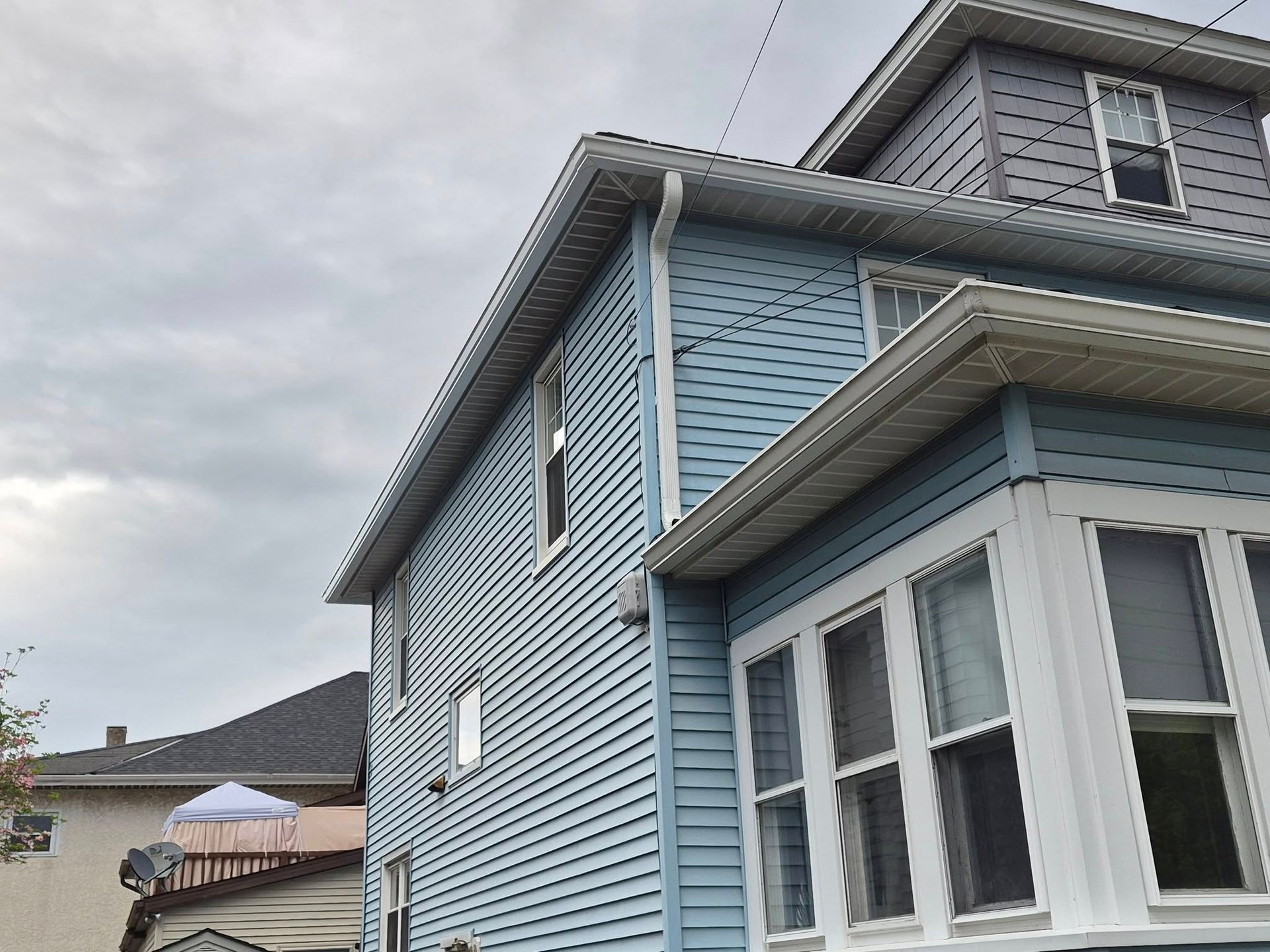
Light blue house exterior with white trim under a cloudy sky
October 10, 2025
Finding quality gutter cleanouts in Scranton starts with understanding that proper maintenance prevents water damage and foundation problems.
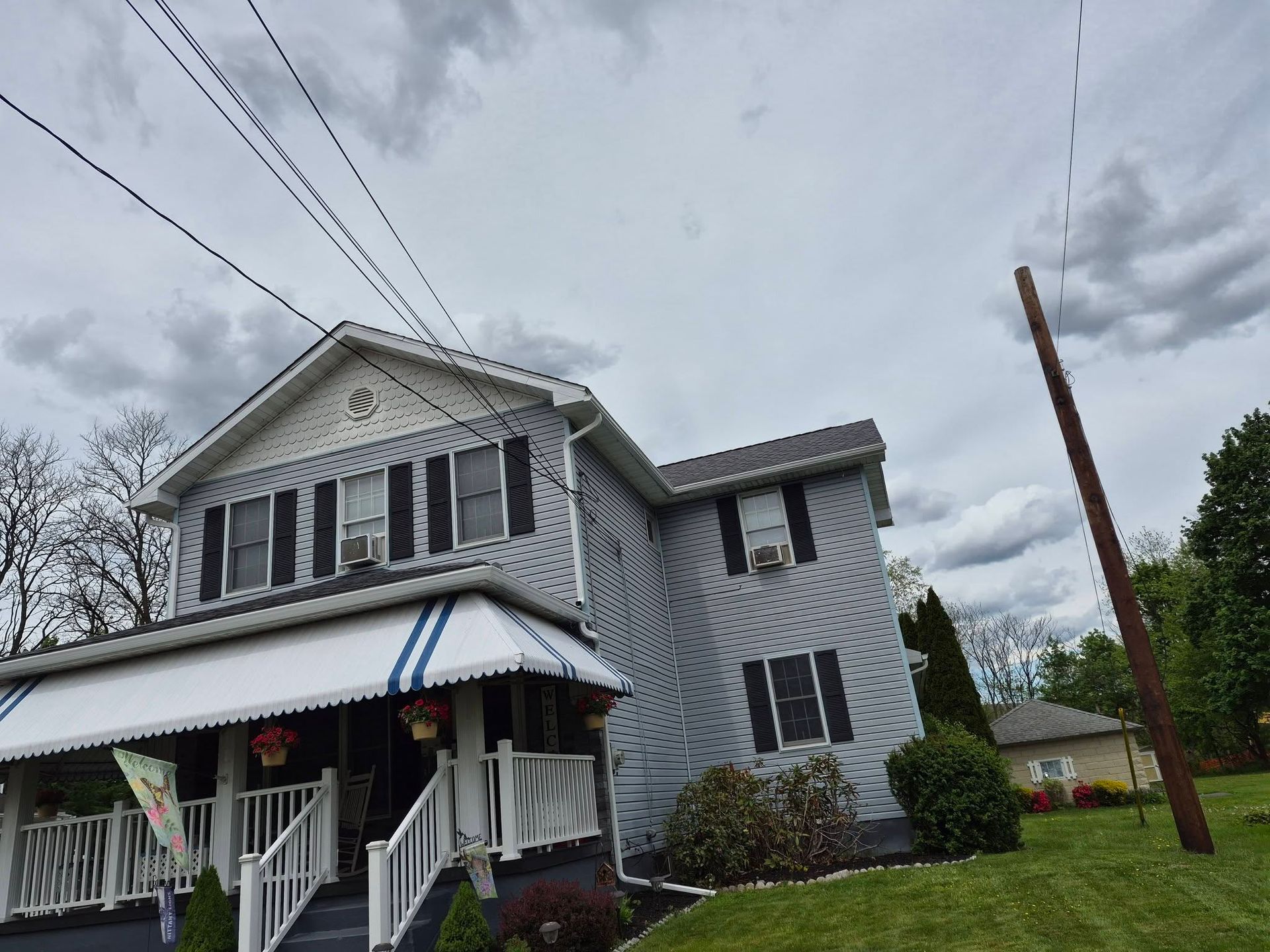
Gray two-story house with black shutters, striped awning, and porch on a cloudy day
October 10, 2025
Gutter guards in Wilkes-Barre help homeowners reduce maintenance while protecting their homes from water damage. These systems keep debris out while allowing water to flow freely, which is especially important in Pennsylvania's leaf-heavy environment.
